
Overview
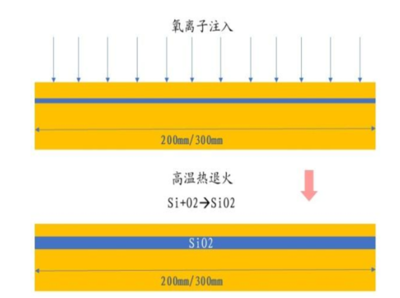
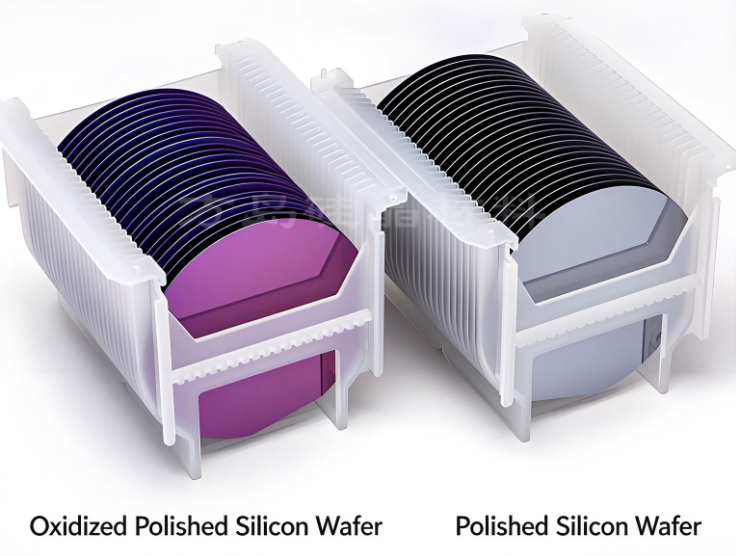
Thermal oxide wafers feature thermally‑grown silicon dioxide (SiO₂) layers formed on bare silicon wafer surfaces under high‑temperature oxidizing‑atmosphere conditions. Normally produced inside horizontal tube furnaces within 900 °C‑1200 °C, thermal oxide films are either grown via dry oxidation or wet oxidation processes.
As thermally‑grown dielectrics rather than CVD‑deposited oxides, thermal SiO₂ layers deliver superior thickness uniformity and higher dielectric strength. They act as outstanding insulating dielectric films, widely applied as dopant blocking barriers and surface dielectrics for various silicon‑based semiconductor devices.
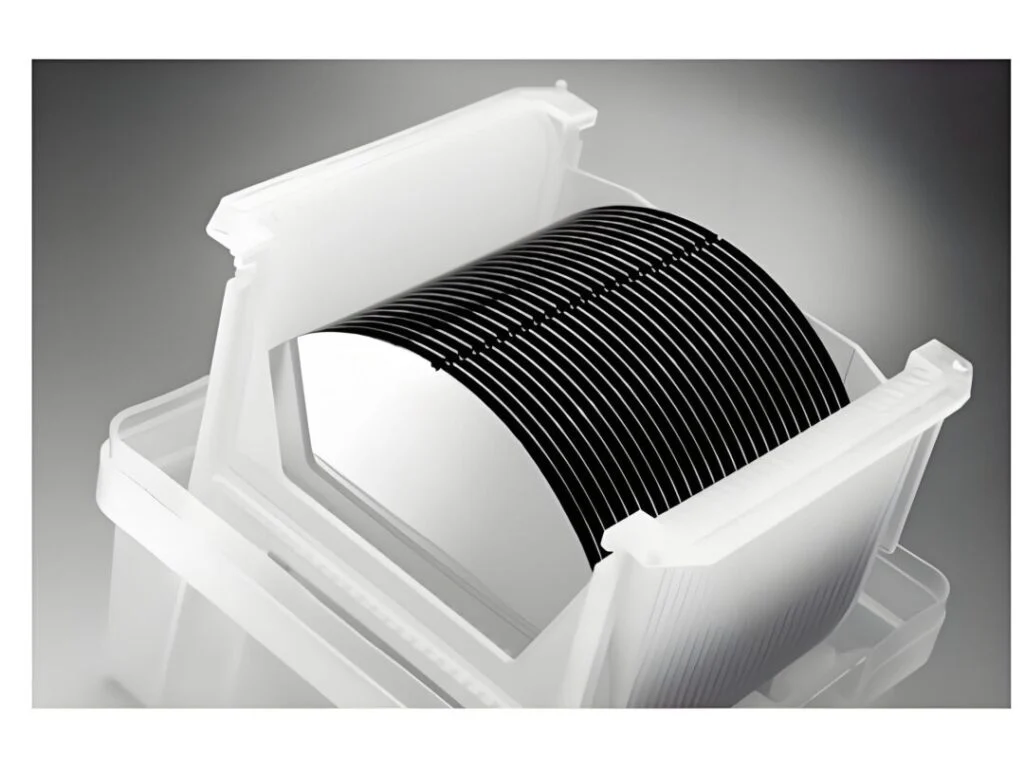
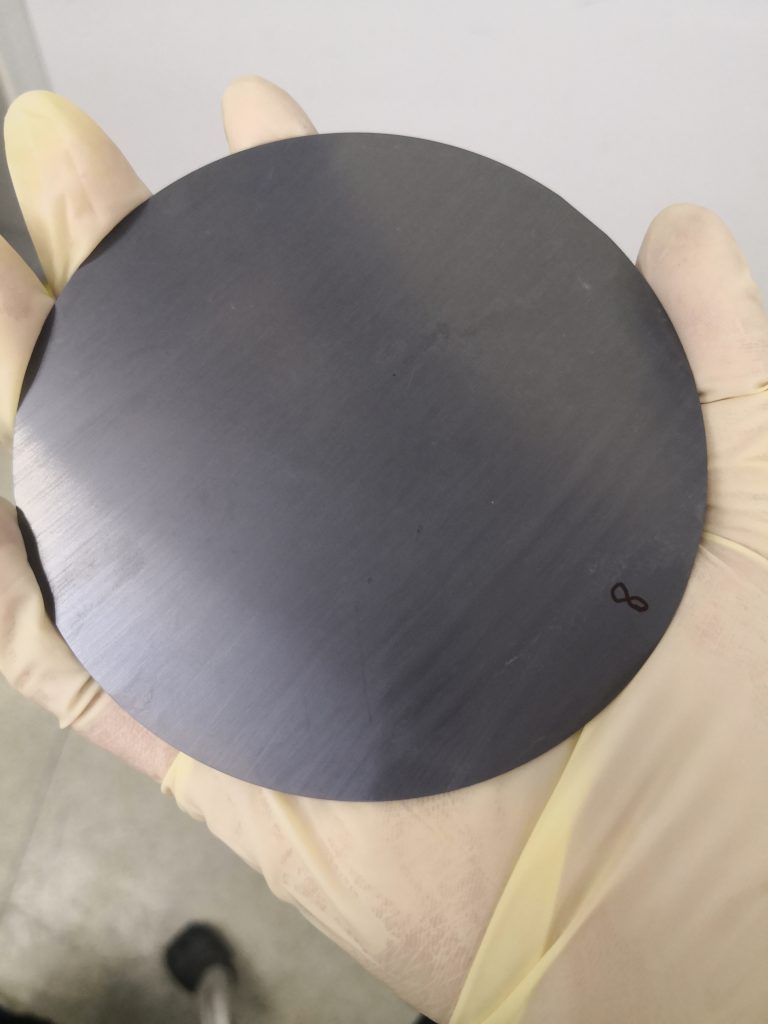
We supply high‑quality thermal oxide silicon wafers from 2‑inch up to 12‑inch. Our manufacturing partners adopt defect‑free prime‑grade silicon substrates to grow highly uniform thermal oxide layers to satisfy demanding customer performance requirements.
Standard thermal oxidation produces oxide films on both wafer sides. If only one‑side oxide is required, we can remove the oxide layer from one face by grinding to deliver single‑side‑oxidized wafers.
Oxidation Process Types
1. Dry Oxidation
Dry oxidation takes place at 850 °C‑1200 °C through direct reaction between silicon and pure oxygen. The oxide‑silicon interface migrates inward toward the silicon substrate. Dry oxidation features low growth rates and is ideal for MOS gate‑oxide fabrication. It is the preferred option for high‑quality, ultra‑thin oxide films.
Process capability: 15 nm ~ 300 nm (150 Å ~ 3000 Å)
2. Wet Oxidation
Wet oxidation generates steam by combusting mixed hydrogen‑oxygen gas near 1000 °C to drive oxide growth. Although wet‑oxide film quality is slightly lower compared with dry oxide, it provides significantly higher growth rates and fits well for device‑isolation structures.
Process capability: 50 nm ~ 15 µm (500 Å ~15 µm)
3. Dry‑Wet‑Dry (DWD) Oxidation
This multi‑step process starts oxidation with pure dry oxygen, introduces hydrogen‑steam oxidation in the intermediate phase, then switches back to pure dry oxygen for final oxidation. It yields denser oxide structures compared with conventional steam‑based wet oxidation.
4. TEOS Oxidation
Specifications Table
| Item | Parameter |
|---|---|
| Oxidation Technique | Dry oxidation / Wet oxidation |
| Wafer Diameter | 2″ / 3″ / 4″ / 6″ / 8″ /12″ |
| Oxide Layer Thickness | 100 Å ~15 µm (10 nm‑15 µm) |
| Thickness Tolerance | ±5% |
| Surface Condition | Single‑Side Oxidation (SSO) / Double‑Side Oxidation (DSO) |
| Furnace Type | Horizontal tube furnace |
| Process Gas | Hydrogen & Oxygen mixture |
| Oxidation Temperature | 900 °C‑1200 °C |
| Refractive Index | 1.456 |
Typical Applications
- Tunneling Gate
- Gate Oxides
- LOCOS Pad Oxide
- Masking Oxides
- Field Oxides
Knowledge Base
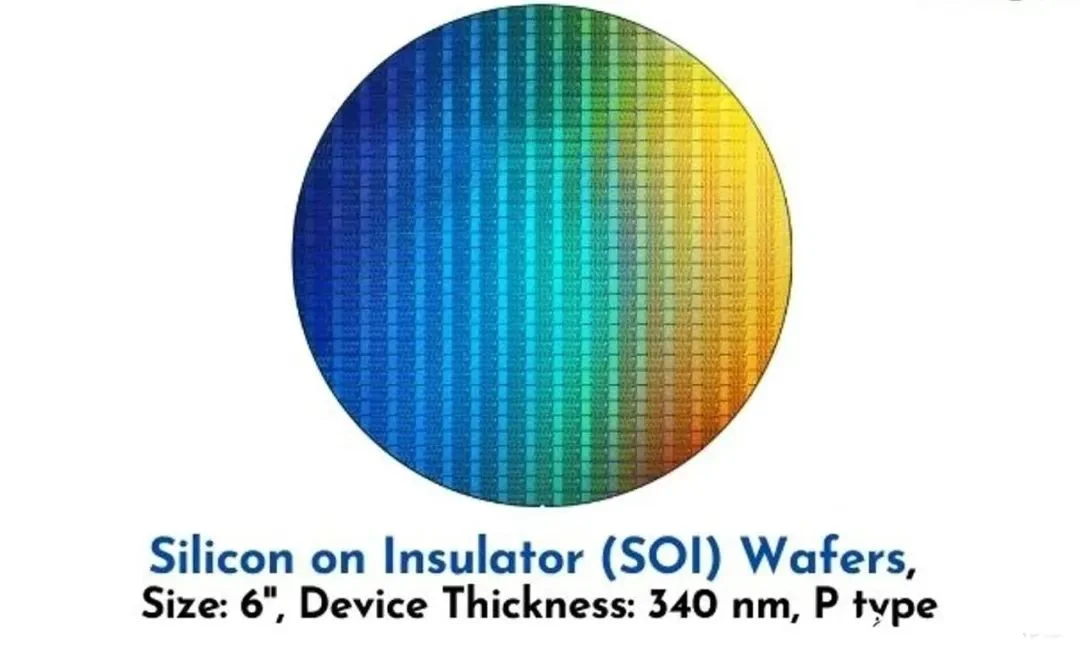
Thermal silicon dioxide films exhibit distinct interference colors corresponding to different oxide thicknesses. The color‑reference chart below illustrates color variation versus film thickness (0‑1000 nm).